Top Factors Influencing Septic System Costs in South Georgia: What Homeowners Should Know Apr 01, 2026
One of the most influential factors is the size of the septic system itself. The size required largely depends on the number of bedrooms in your home and the daily wastewater usage. Larger homes or properties with multiple bedrooms generally require bigger tanks, which can increase the overall cost. The soil condition in South Georgia also plays a pivotal role. Soils rich in clay can impede drainage and may necessitate additional layers of soil or more advanced systems for proper filtration, which adds to the cost.
Next to consider is the type of septic system best suited for your property. While conventional systems are popular, certain areas in South Georgia might benefit from alternative systems, such as mound or aerobic treatment units, especially if the water table is high or the soil conditions are unsuitable. Alternative systems, while sometimes necessary, are generally more expensive.
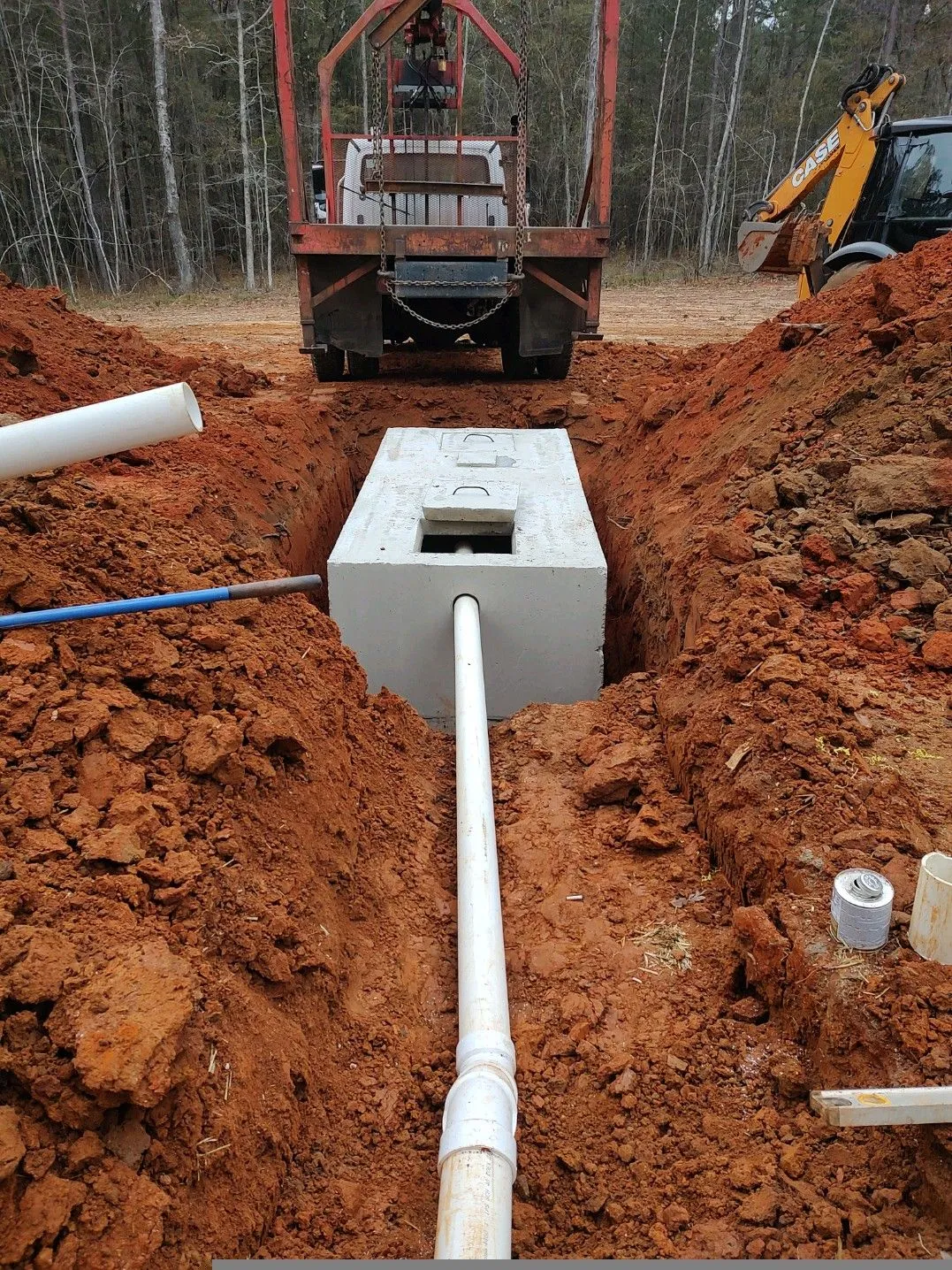
The installation process itself is another critical factor. The site’s readiness for installation, accessibility, and topography can significantly influence labor costs. Rocky or sloped land can complicate installation procedures and may require specialized equipment and expertise, increasing costs. Hiring knowledgeable and experienced professionals from South Georgia Septic ensures the job is done efficiently, potentially saving you money in the long run through expert advice and service.
Permits and compliance with local health regulations are also vital considerations. South Georgia counties often require specific permits, which incur fees. Moreover, adhering to environmental regulations is a must, requiring inspections which are sometimes an added cost. It’s crucial to factor in these regulatory requirements early in your budget planning to avoid unexpected expenses.
Ongoing maintenance of the septic system is often an overlooked expense. Regular inspections and pumping, typically every three to five years, are necessary to keep the system functioning optimally. Without routine maintenance, issues such as clogs or leaks can arise, leading to costly repairs. Choosing a reliable service provider like South Georgia Septic for regular maintenance can safeguard your system’s efficiency and extend its lifespan.
Finally, unexpected environmental factors should not be ignored. Weather conditions, such as heavy rains common in South Georgia, can affect the groundwater level and soil absorption, potentially necessitating additional measures to protect the septic system.
In conclusion, several factors impact the cost of septic systems in South Georgia. Being aware of these factors—from the size and type of system to soil conditions and regulatory requirements—will allow you to plan better both financially and practically. By engaging with experienced professionals at South Georgia Septic, you can ensure your septic system is not only cost-effective but tailored to your unique property needs. Proper planning and regular maintenance can mitigate many potential issues, ultimately ensuring your investment is a sound one for the long term.
/filters:no_upscale()/filters:format(webp)/media/9ea110d9-8e86-4c63-8848-b19e6ea2c83a.jpg)