The Role of Regular Inspections in Preventing Septic Failures in South Georgia Homes May 25, 2026
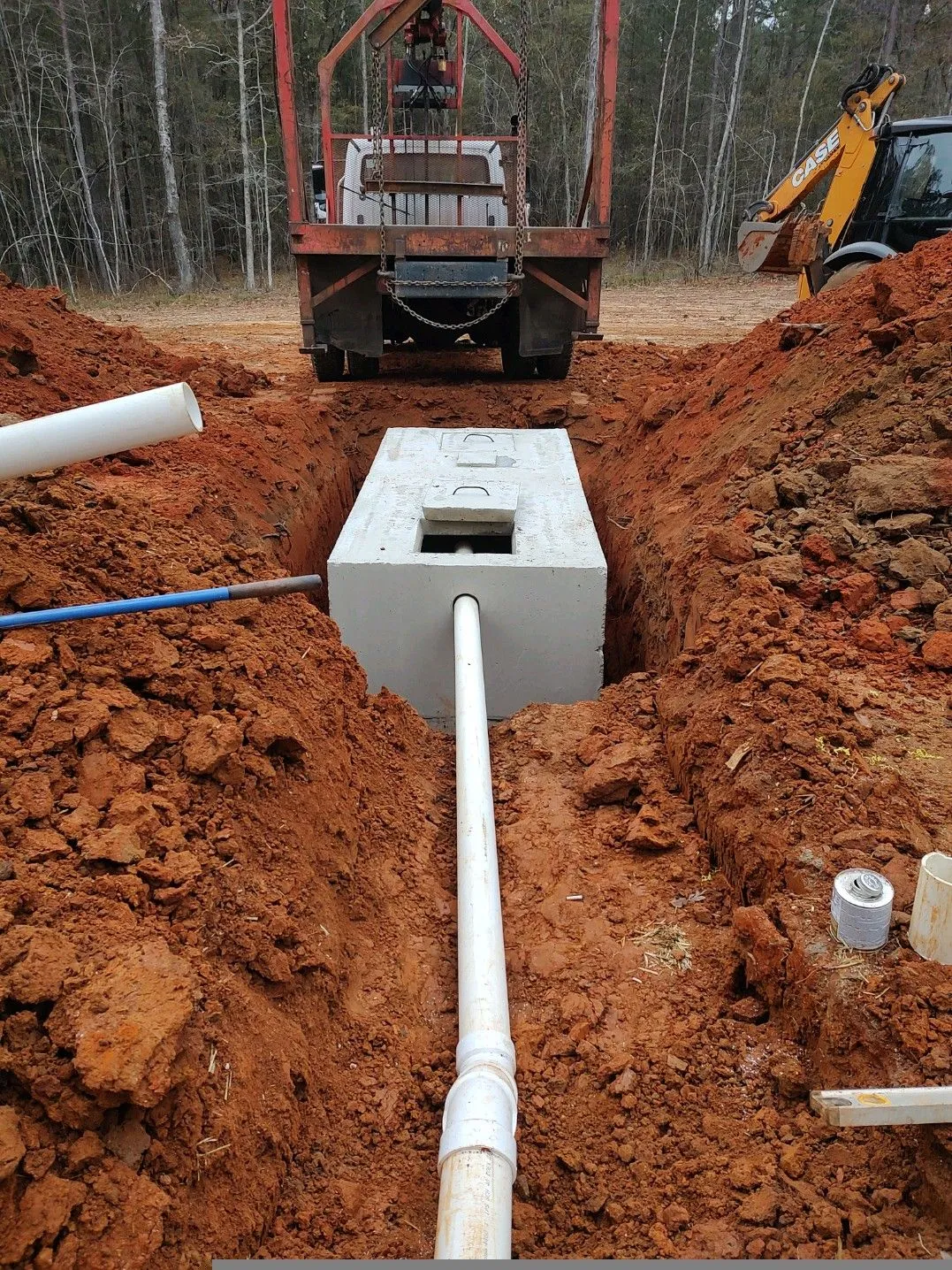
Understanding how septic systems work can help homeowners realize the importance of maintenance. A typical septic system comprises a tank and a drain field. Wastewater flows into the tank where solids settle and bacteria break them down. The remaining liquid flows into the drain field for further filtration. Over time, the build-up of solids in the tank can lead to clogs and system failures. This is where regular inspections become invaluable.
The primary benefit of a routine septic inspection is early problem detection. This preventive measure allows professionals from South Georgia Septic to identify potential issues before they escalate. Early detection can save homeowners from costly repairs and unsanitary conditions. Common problems such as pipe blockages, leaks, and cracks can be detected in these inspections, ensuring they are addressed promptly.
Regular inspections also provide homeowners with pertinent information about the health of their system. South Georgia Septic professionals can give insights into the frequency of pumping required for each specific system, which is not a one-size-fits-all situation. Factors like household size, tank size, and water usage influence how often your tank should be pumped, usually every three to five years. Routine checks can extend this period, saving you both time and money.
Furthermore, an inspection can help you maintain compliance with local regulations. In South Georgia, certain counties have requirements for septic system inspection and maintenance. Staying up-to-date with these inspections can prevent potential penalties and ensure your system meets all standards.
The process of a septic inspection carried out by specialists involves a detailed check of both the tank and the drain field. Technicians will measure the level of solids in the tank to determine if it needs pumping. They will also check the integrity of the baffles and tees - crucial components that aid in the proper flow of wastewater. In the drain field, inspectors assess the soil condition and ensure there are no signs of malfunction, such as standing water, which could indicate clogged pipes or poor drainage.
Beyond preventing mechanical failures, consistent inspections can also have health benefits. An overflowing or malfunctioning system poses risks of contaminating groundwater sources and spreading bacteria, which can be harmful to both human and environmental health. By keeping up with inspections, you minimize these risks and maintain a healthy home environment.
In conclusion, engaging South Georgia Septic for your septic system's regular inspection is a wise investment in your home's value, functionality, and safety. These inspections are not merely an upkeep task but a strategic step in preventing septic system failures that can be costly and hazardous. For peace of mind and the long-term performance of your septic system, make routine inspections part of your home maintenance schedule.
/filters:no_upscale()/filters:format(webp)/media/9ea110d9-8e86-4c63-8848-b19e6ea2c83a.jpg)