The Importance of Septic System Drainfields: Key Considerations for South Georgia Homeowners Dec 20, 2025
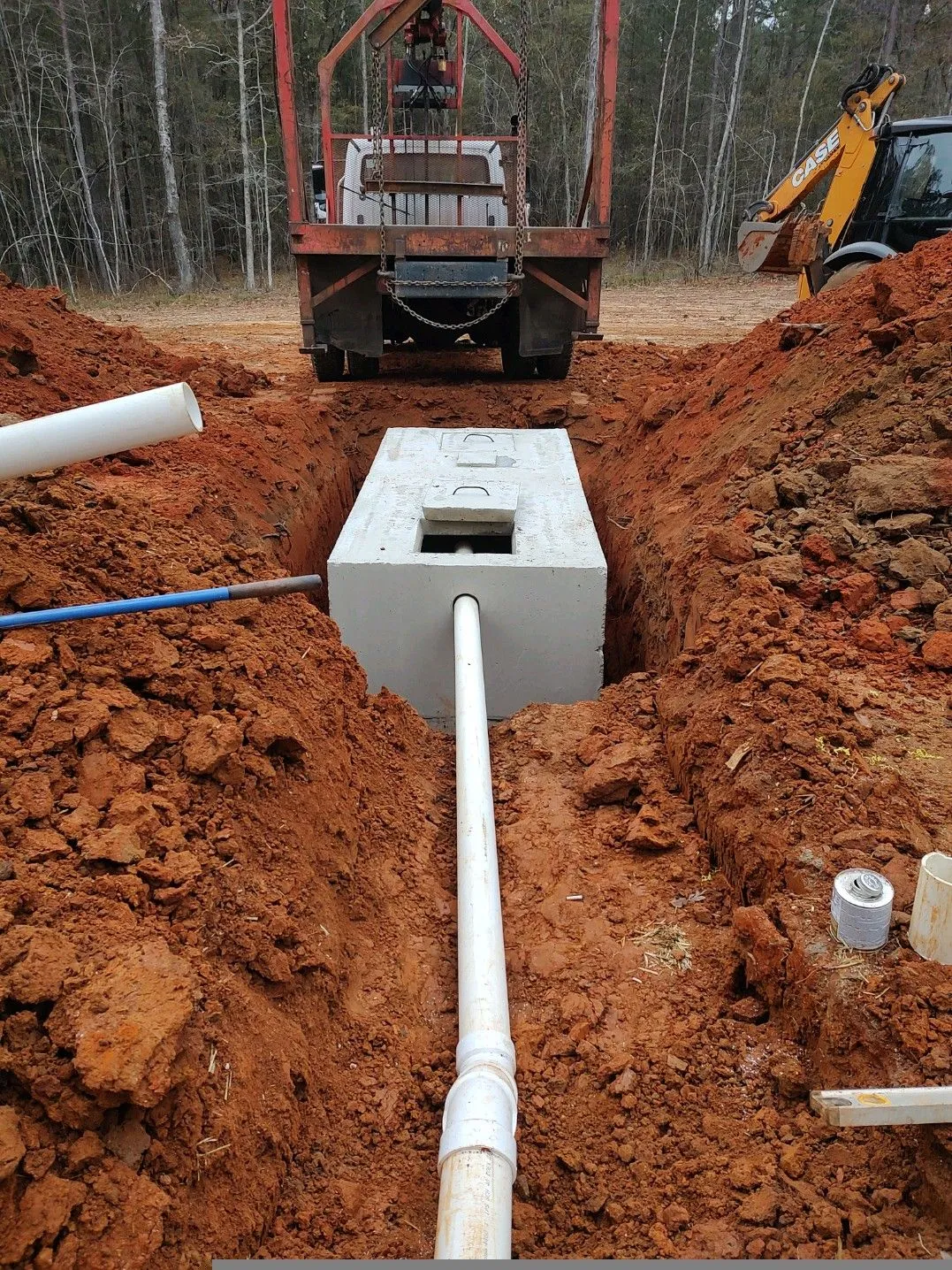
A typical septic system consists of a tank and a drainfield, sometimes called a leach field. After heavier solids settle in the tank, the effluent flows into the drainfield, where it undergoes further treatment. Here, natural processes remove harmful bacteria and nutrients, preventing contamination of groundwater. Without a properly functioning drainfield, untreated wastewater could lead to environmental hazards and health risks.
Maintaining your septic system drainfield can significantly prolong its lifespan and improve its efficiency. Routine inspection and timely maintenance are key. For instance, regularly inspecting the system helps detect minor issues before they develop into major problems. Proper maintenance involves understanding the load capacity of your drainfield. Overloading the system—whether through excessive water use or the disposal of inappropriate materials down the drain—can diminish the drainfield's effectiveness.
To enhance drainfield performance, homeowners in South Georgia should be mindful of water use. Excessive water consumption overburdens the drainfield, preventing it from adequately processing wastewater. Simple habits, like spreading laundry loads throughout the week, can significantly reduce strain on the system. Additionally, fixing leaks promptly prevents unnecessary stress.
Vegetation management also plays a crucial role in maintaining a healthy drainfield. Planting trees and large shrubs too close to your drainfield can cause damage as roots infiltrate pipes and the field itself. Selecting shallow-rooted plants helps avoid these issues while enhancing the aesthetic appeal of your property.
Another key consideration is to avoid heavy machinery or structures on your drainfield. The weight can compact the soil, reducing its ability to absorb and treat wastewater. Similarly, vehicles driving or parking on the drainfield can lead to soil compaction and damage.
Being aware of the signs of a failing drainfield can also prevent costly repairs or replacements. Common signs include slow drains, sewage odors, and lush patches of grass above the field. Recognizing these early signs allows you to call in professionals promptly, minimizing further damage.
When in doubt, consult septic service experts like South Georgia Septic for guidance and maintenance. Professional evaluation can offer insights into optimizing your system's efficiency, ensuring compliance with local environmental regulations. Regularly scheduled pumpings and inspections tailored to your septic system's size and household usage prevent issues before they arise.
Investing in your septic system drainfield ultimately protects your home and environment, contributing to sustainable water management. By understanding its importance and taking proactive measures, South Georgia homeowners can ensure the longevity and safety of their septic systems. With beneficial practices and professional support, your drainfield can continue to function optimally, safeguarding your property from potential septic mishaps.
In conclusion, taking the time to understand and maintain your septic system drainfield is invaluable. Not only does it prevent environmental contamination and protect public health, but it also extends the life and efficiency of your septic system. For comprehensive service and maintenance, South Georgia Septic stands ready to assist, ensuring your system runs smoothly for years to come.
/filters:no_upscale()/filters:format(webp)/media/9ea110d9-8e86-4c63-8848-b19e6ea2c83a.jpg)