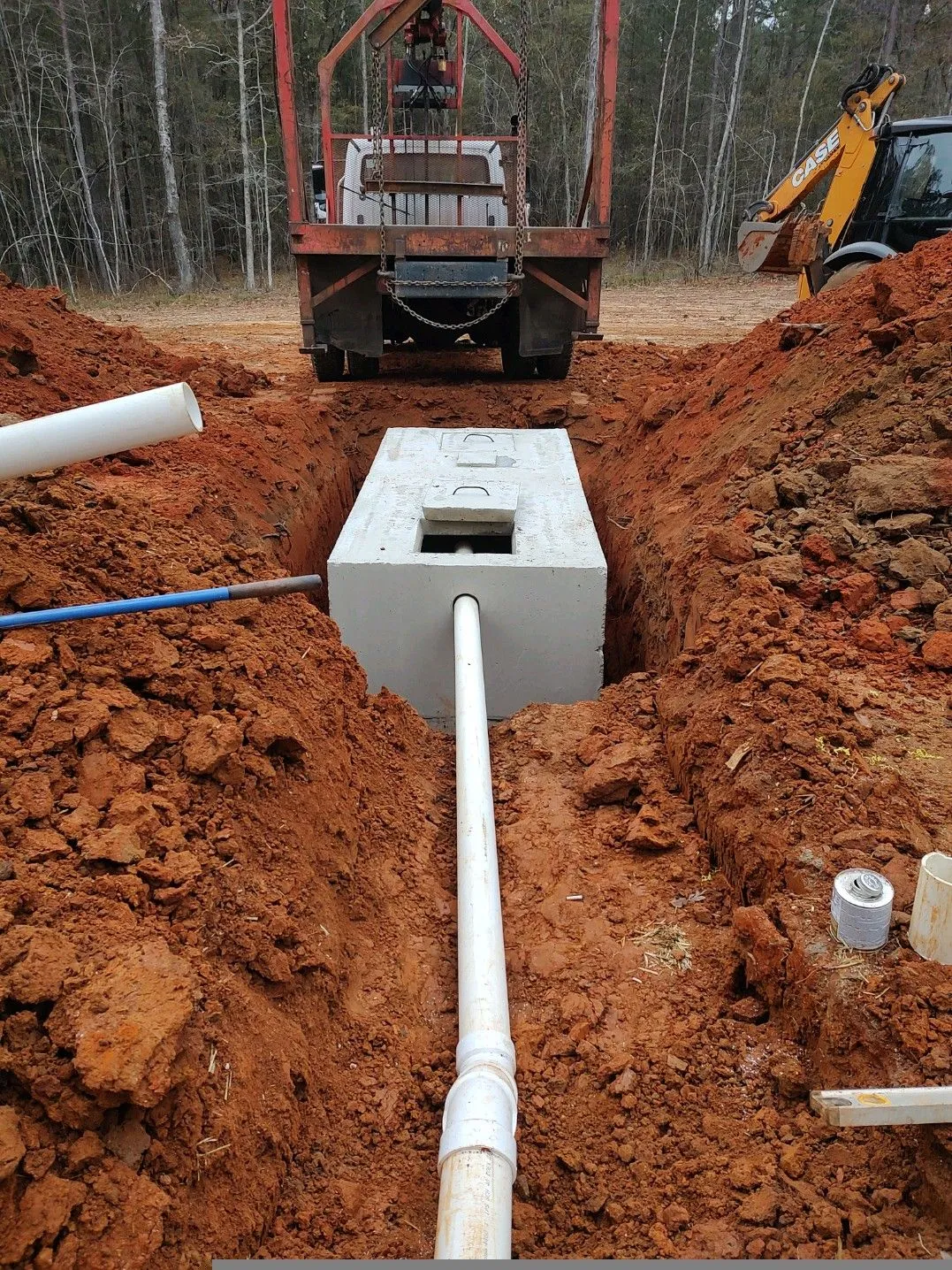
The Impact of Tree Roots on Your Septic System: What South Georgia Homeowners Need to Know Feb 21, 2026
Tree roots naturally seek out water sources, and your septic system, which harbors both water and nutrients, becomes an attractive target. As the roots infiltrate your pipes and septic tank, they can cause clogs, leaks, and eventually, system failure. This process often begins with roots growing into small cracks or joints, expanding as they search for additional moisture. Left unchecked, these infiltrations can lead to blockages that impede the flow of wastewater, resulting in back-ups and unpleasant odors.
The dense clay soil commonly found in South Georgia can exacerbate these problems. This type of soil retains water, encouraging roots to grow more extensively around or into the septic system in search of nourishment. As a homeowner, it's important to recognize early signs of root intrusion. Indications include slowly draining fixtures, gurgling sounds in the plumbing, and wet patches or lush plant growth above the drain field.
Preventing tree root interference begins with strategic landscaping. When planting new trees, consider the mature spread of their root systems. Fast-growing species like willows, aspen, and maple should be planted well away from your septic tank and drain field to avoid the risk of invasive roots. Ideally, trees should be located at least as far from the septic system as the anticipated height of the mature tree.
Moreover, regular inspection and maintenance of your septic system are essential. South Georgia Septic offers professional services that can help diagnose root problems early. Utilizing techniques such as video pipe inspections can detect intrusion issues before they become severe. If tree roots are confirmed to be a problem, removing the intruding roots and using chemical treatments can mitigate further growth.
Another practical step is to invest in root barriers. These can be installed professionally to provide a physical block that redirects roots away from your septic system. Alongside this, avoid planting water-loving plants directly over your drain field to prevent any encouragement of root invasion.
Investing time and resources into preventative measures not only extends the life of your septic system but also protects against costly repairs. Regular pumping and tank cleaning, offered by South Georgia Septic, are part of a comprehensive maintenance plan. Such tasks ensure your septic system runs efficiently, minimizing potential disruptions caused by unexpected blockages or system failures.
In conclusion, the picturesque landscapes of South Georgia bring beauty and challenges to septic system maintenance. By understanding the relationship between tree roots and your septic infrastructure, you can take proactive steps to safeguard your home. Partnering with experts like South Georgia Septic provides the knowledge, tools, and services necessary to mitigate risks and maintain a healthy system. Staying informed and vigilant not only supports the longevity of your septic system but also keeps your home running smoothly and efficiently.
/filters:no_upscale()/filters:format(webp)/media/9ea110d9-8e86-4c63-8848-b19e6ea2c83a.jpg)