The Economics of Septic System Management: Balancing Cost and Performance in South Georgia May 13, 2026
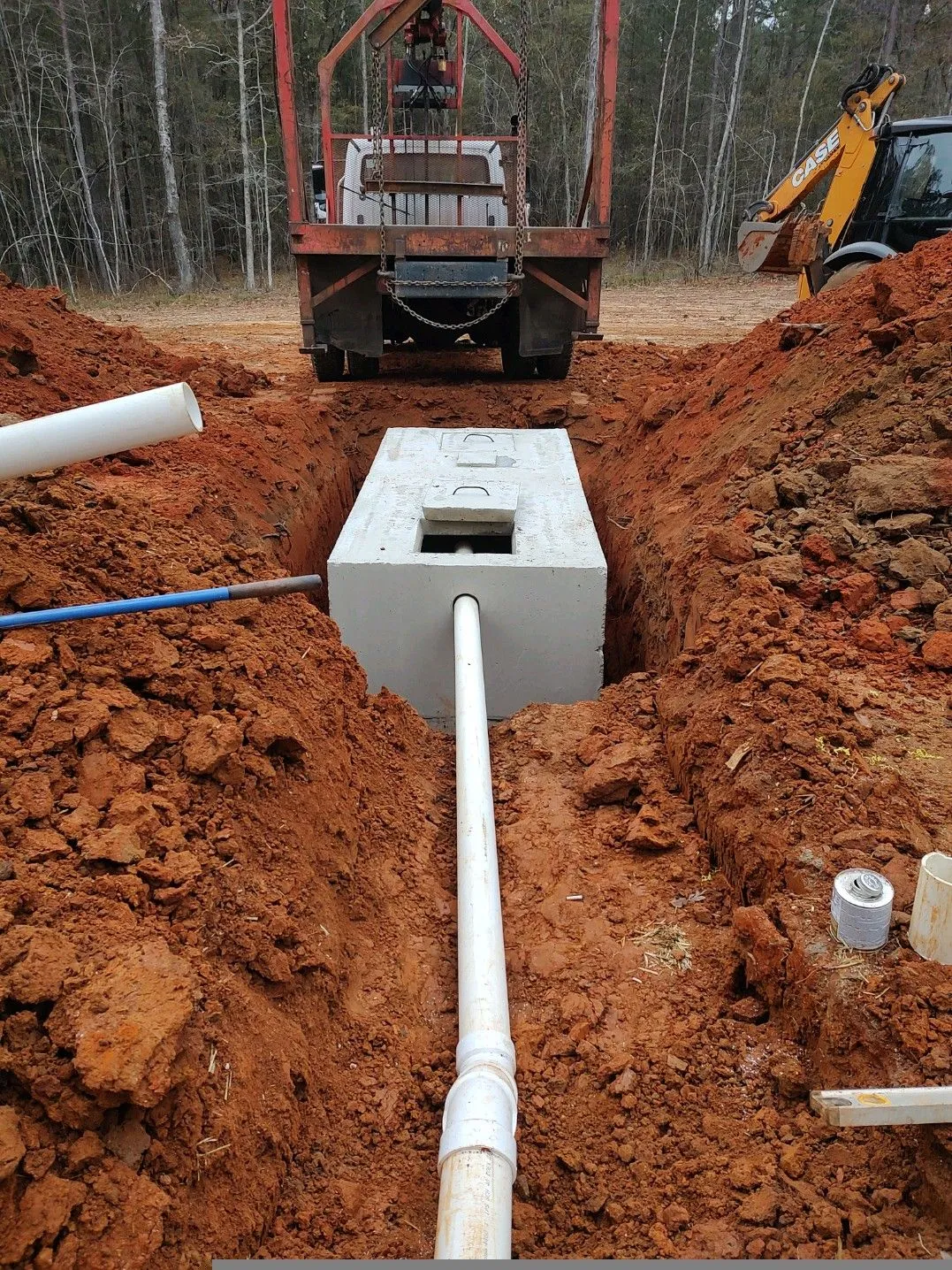
The initial step in efficient septic system management is understanding how the system works. A septic system primarily consists of a septic tank and a drain field. The tank collects solid waste, while the liquid waste, or effluent, is filtered through the drain field. Regular maintenance is essential to ensure this process runs smoothly, preventing costly repairs in the future.
Maintenance isn’t just about routine pumping; it involves regular inspections and understanding the demands placed on your system. Overloading the septic system with excessive water or disposing of inappropriate materials can lead to clogs and system failures. By adopting water conservation measures and being mindful of what goes down the drain, homeowners can extend the life of their septic system.
Cost is always a critical consideration. The expense of installing and maintaining a septic system can vary significantly. It's crucial to budget for regular pumping, which typically costs less than emergency repairs due to neglect. Most experts recommend pumping your septic tank every three to five years, depending on usage and household size. The upfront cost of regular maintenance pays off by avoiding more expensive replacements and repairs.
For South Georgia homeowners, selecting the right service provider for your septic needs can influence both cost and long-term performance. Consider a reliable company like South Georgia Septic, known for its expertise and customer-centric approach. Hiring professionals with a solid understanding of local soil conditions and regulations ensures that your system meets all compliance requirements and operates efficiently.
Beyond immediate maintenance, long-term strategies can enhance your system's performance and reduce costs. Installing modern septic technology, such as effluent filters and advanced treatment units, can improve system efficiency and longevity. Although these technologies may require a higher initial investment, they often lead to savings by preventing blockages and reducing the frequency of pump-outs.
Environmental considerations also play a role in septic system management. Good practices not only save money but also protect South Georgia’s natural resources. Homeowners should avoid draining chemicals, fats, oils, and greases into the system, as these can disrupt biological processes or cause damage. By choosing eco-friendly products and methods, you mitigate your environmental impact, contributing to a healthier local ecosystem.
Education and awareness are powerful tools in septic system management. Understanding local regulations and the latest technologies can help you make informed decisions that balance cost and performance. Engaging with professionals, attending workshops, or participating in community discussions can provide valuable insights into optimizing your system.
In conclusion, the economics of septic system management in South Georgia involves strategizing for regular maintenance, cost-effective upgrades, and environmentally friendly practices. By taking a proactive approach with the support of experienced professionals like South Georgia Septic, homeowners can ensure their septic systems are efficient and cost-effective. The key is understanding your specific needs and applying best practices to maintain a balanced, healthy system that avoids unnecessary costs over time.
/filters:no_upscale()/filters:format(webp)/media/9ea110d9-8e86-4c63-8848-b19e6ea2c83a.jpg)