Sustainable Septic Practices: Reducing Your Environmental Footprint in South Georgia Mar 14, 2026
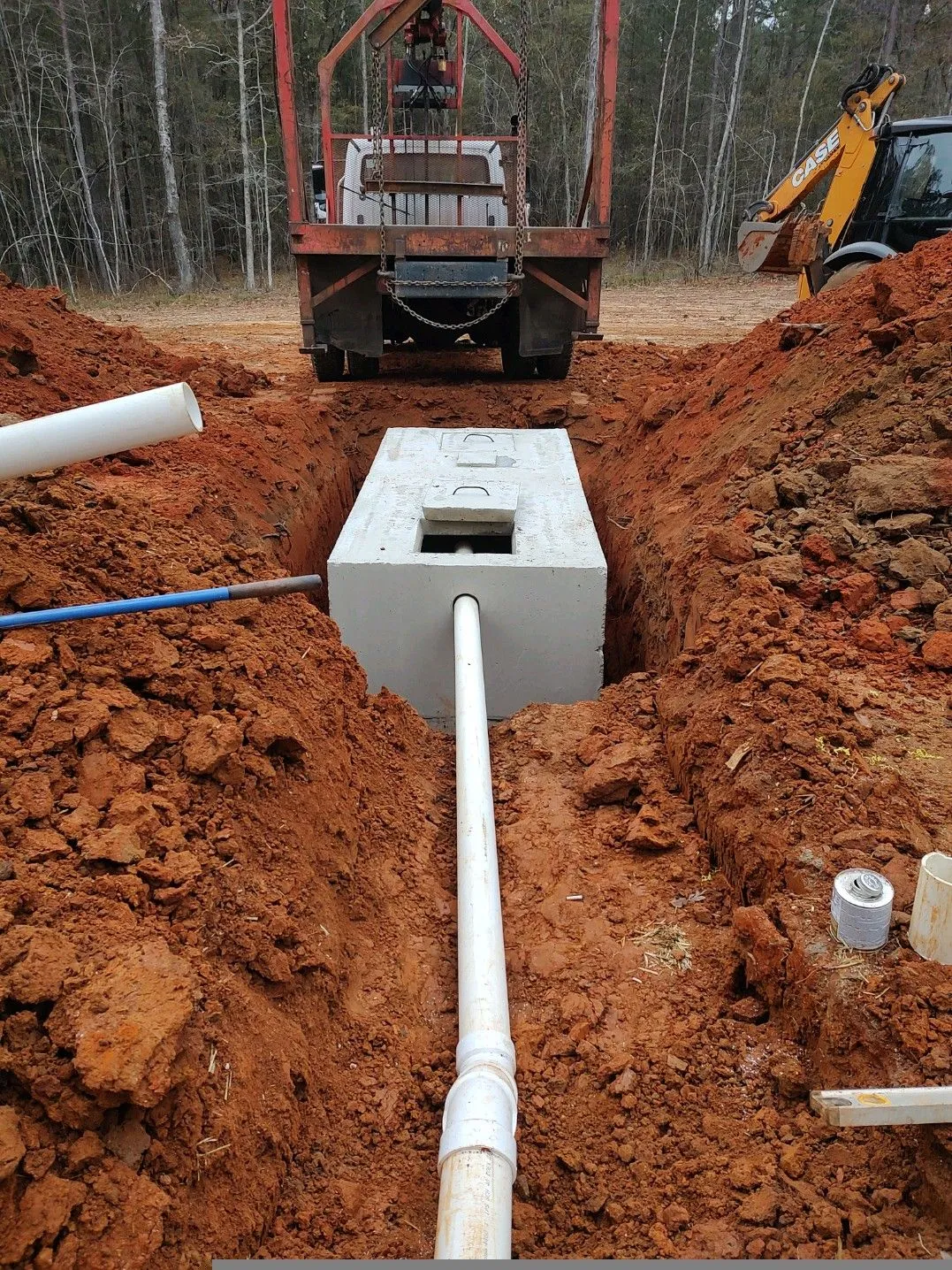
Understanding how septic systems function is the first step toward sustainable usage. A septic system processes domestic wastewater through a natural filtering process, where bacteria break down waste before it re-enters the ground. This process minimizes the pollution of waterways and helps maintain the local biodiversity, making septic systems vital to environmental health.
Practicing water conservation is one of the simplest yet most effective ways to ensure a sustainable septic system. By reducing water usage, you decrease the volume of wastewater needing treatment, relieving stress on septic systems. Simple actions like fixing leaky faucets, installing water-efficient appliances, and practicing mindful water use during activities such as dishwashing or laundry can make a considerable difference.
Natural cleaning products are another part of sustainable septic system practices. Many conventional cleaning products are laden with chemicals that disrupt the natural bacterial balance in septic tanks, leading to inefficiencies or system failures. Opting for biodegradable, non-toxic cleaners helps maintain a healthy septic system and reduces harmful chemical runoff into the environment.
Regular maintenance and inspections play an essential role in the longevity and efficiency of septic systems. Scheduling annual inspections and timely pumping services with a trusted provider like South Georgia Septic ensures that any issues are addressed before they become significant problems. A well-maintained septic system operates more efficiently, which, in turn, minimizes environmental hazards.
Mindful waste disposal is a critical component of sustainable septic practices. Items such as non-biodegradable materials, oils, and harsh chemicals should never be flushed or drained into septic systems. These materials can cause blockages and disrupt the breakdown process, posing threats to both the septic system and the environment. Instead, dispose of these items through appropriate waste management solutions in your community.
Engagement with local initiatives focused on water preservation and environmental health can also enhance sustainable septic practices. By participating in community programs, residents of South Georgia can stay informed about the latest sustainable practices and contribute to the collective effort to protect the local environment. South Georgia Septic is committed to working alongside community members and organizations to promote environmental stewardship through responsible septic management.
In conclusion, sustainable septic practices are essential for reducing the environmental footprint of South Georgia’s residents. Through water conservation, using natural cleaning products, regular maintenance, smart waste disposal, and community engagement, residents can significantly contribute to preserving South Georgia’s natural resources. At South Georgia Septic, we are dedicated to empowering our customers with the knowledge and tools necessary for sustainable living. By adopting these practices, you not only ensure the smooth operation of your septic system but also play a crucial role in maintaining a healthy and vibrant environment for future generations.
/filters:no_upscale()/filters:format(webp)/media/9ea110d9-8e86-4c63-8848-b19e6ea2c83a.jpg)