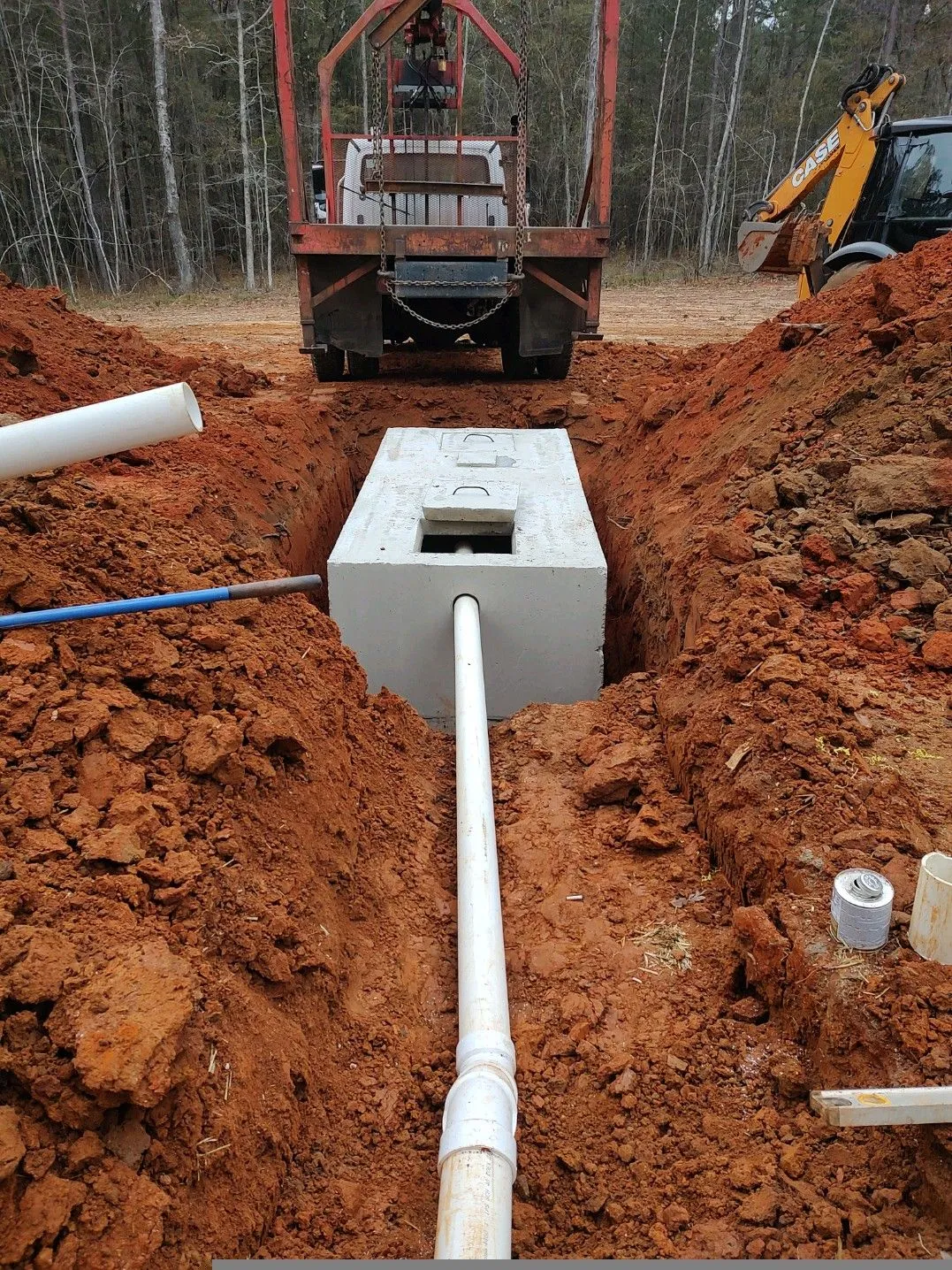
Septic Tank Basics: A Comprehensive Guide for South Georgia Residents Feb 06, 2026
Septic systems are individual wastewater treatment systems that collect, treat, and dispose of wastewater. For many residents in rural areas of South Georgia, septic systems are a viable alternative to centralized sewer systems. Understanding the operation of your septic system is key. A typical system consists of a septic tank and a drain field, also known as a leach field. Wastewater from your home flows into the septic tank, where solids settle at the bottom, forming sludge, while oils and grease float to the top as scum. Liquid waste exits through the drain field, where it is further treated naturally by the soil.
Proper maintenance of your septic system is essential. One of the primary steps is ensuring your tank is pumped regularly. The frequency of pumping depends on several factors, such as the size of your household, the size of your septic tank, and the amount of wastewater your household generates. On average, septic tanks should be pumped every three to five years. Neglecting this can lead to overflow and potential system failure, which can be both a health hazard and an expensive fix.
Monitoring what goes into your septic system is vital for its longevity. Avoid flushing non-biodegradable items, such as wipes, diapers, and sanitary products, as these can clog your system. Using water efficiently can also help reduce the load on your septic system, prolonging its life. Consider installing low-flow toilets and showerheads if you haven't already. Additionally, be cautious with the use of household chemicals that can disrupt the natural bacteria in your septic tank, necessary for breaking down waste. Opt for septic-safe cleaning products whenever possible.
Regular inspections are crucial to catch potential problems early. Hiring a professional service, like South Georgia Septic, for annual inspections can help identify issues before they turn into costly repairs. Technicians will check for leaks, measure solid waste levels, and ensure everything is functioning correctly. They also provide valuable advice on how to maintain your septic system based on your specific circumstances, offering tailored solutions to meet your needs.
Finally, protecting your drain field is just as important. Trees and shrubs should be planted a safe distance away to prevent roots from damaging the pipes. Avoid parking vehicles on the drain field to prevent soil compaction, which could hinder the natural filtration process.
South Georgia residents can trust South Georgia Septic for reliable, professional service to keep their septic systems in top condition. By understanding how your system works and taking steps to maintain it, you can ensure it remains an effective, cost-efficient way of managing wastewater. Keeping these basics in mind will not only save you money but also contribute to a healthier, more sustainable environment in your community.
If you ever have concerns or require assistance with your septic system, don't hesitate to contact the experts at South Georgia Septic. Together, we can ensure that your septic tank continues to serve you well for years to come.
/filters:no_upscale()/filters:format(webp)/media/9ea110d9-8e86-4c63-8848-b19e6ea2c83a.jpg)