Septic System Care for New Homeowners: Essential Tips from South Georgia Experts Dec 30, 2025
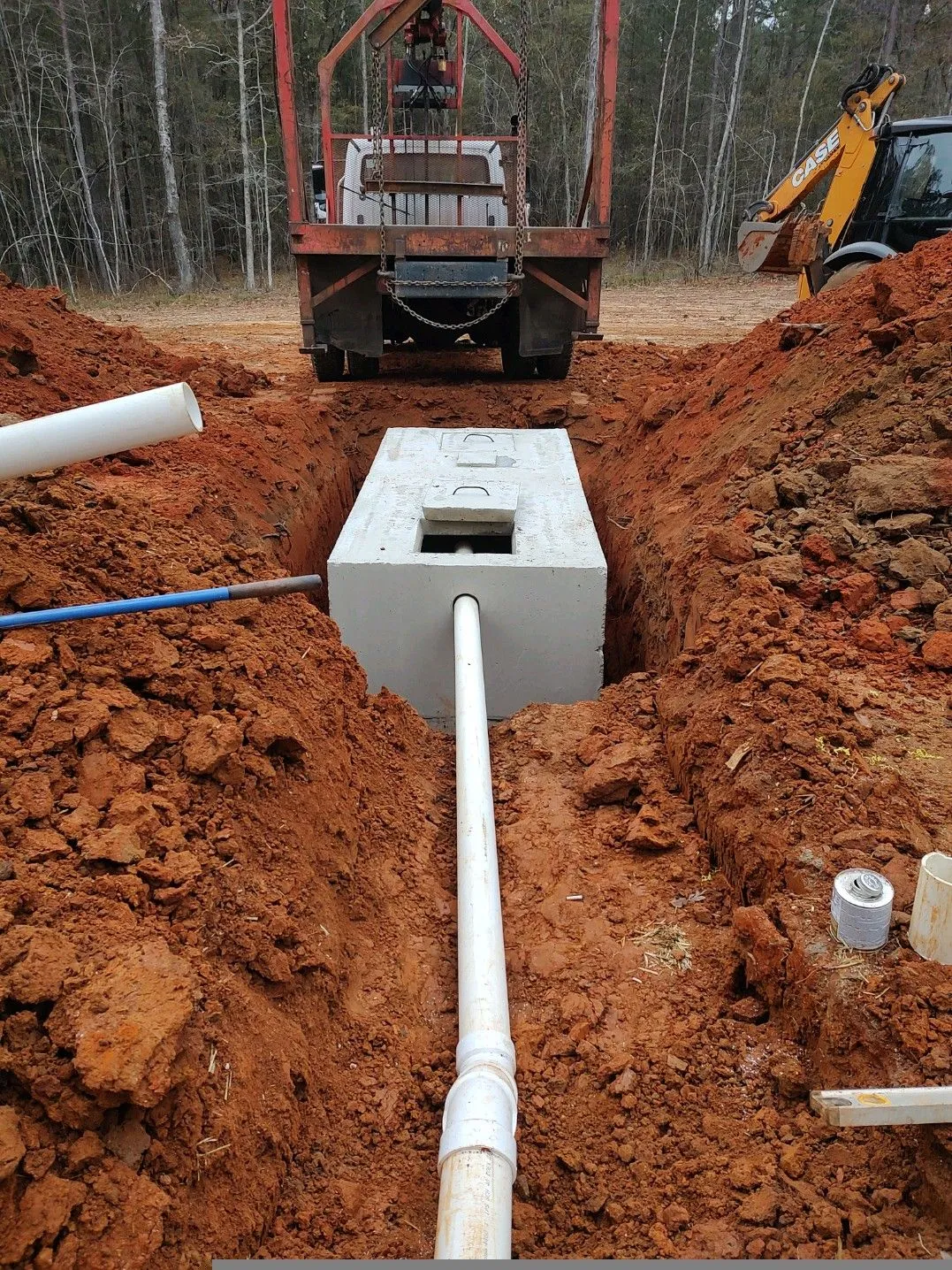
The first step in septic system care is to familiarize yourself with its components. A typical septic system consists of a septic tank and a drain field (also known as a leach field). The septic tank collects wastewater from your household, where solid waste settles at the bottom and scum rises to the top. Over time, bacteria in the septic tank break down these solids. The liquid waste, or effluent, flows gently into the drain field, where it is naturally filtered by the soil.
For new homeowners, regular inspection of the septic system is crucial. It is recommended to have your septic system inspected by a professional every three years. South Georgia Septic offers comprehensive inspection services, ensuring that minor issues are detected early before they escalate into major problems. Regular inspections help you keep track of when the tank needs to be pumped, which generally should occur every three to five years.
Proper waste management plays a significant role in septic system care. Avoid flushing non-biodegradable items like plastic, feminine hygiene products, or wet wipes down the toilet. These items can clog your system, leading to backups or even damage. Similarly, try to minimize the use of harsh chemicals that can kill the beneficial bacteria in your tank. Opt for septic-safe household cleaning products, which are available at most stores.
Conserving water is another critical aspect of maintaining your septic system. Excess water can overload the system, leading to complications. Simple measures like fixing leaky faucets, using water-efficient fixtures, and spreading out laundry loads throughout the week can significantly help in reducing water usage. Conserving water not only benefits your septic system but is also an environmentally friendly practice.
The placement of your drain field is also worth noting. Avoid parking vehicles, planting trees, or building structures over the drain field, as these actions can damage the underground pipes or compact the soil, reducing the field's ability to process wastewater effectively. Landscaping over the drain field can be done with shallow-rooted plants that won't interfere with the system's infrastructure.
If you suspect any issues such as slow drains, unpleasant odors, or standing water over your drain field, it’s crucial to contact a professional like South Georgia Septic as soon as possible. Ignoring these signs can lead to extensive damage and costly repairs. Early intervention can prevent both inconveniences and unexpected expenses.
In conclusion, while maintaining a septic system might initially seem overwhelming, these essential tips simplify the process. With regular inspections, proper waste management, mindful water usage, and care of your drain field, you can ensure that your septic system functions smoothly for years to come. Trust the experts at South Georgia Septic for reliable advice and service, keeping your home’s sanitation system in optimal condition. By taking proactive steps today, you’ll secure the comfort and safety of your home environment tomorrow.
/filters:no_upscale()/filters:format(webp)/media/9ea110d9-8e86-4c63-8848-b19e6ea2c83a.jpg)