Protecting Your Septic System: Essential Tips for South Georgia's Landowners Jan 20, 2026
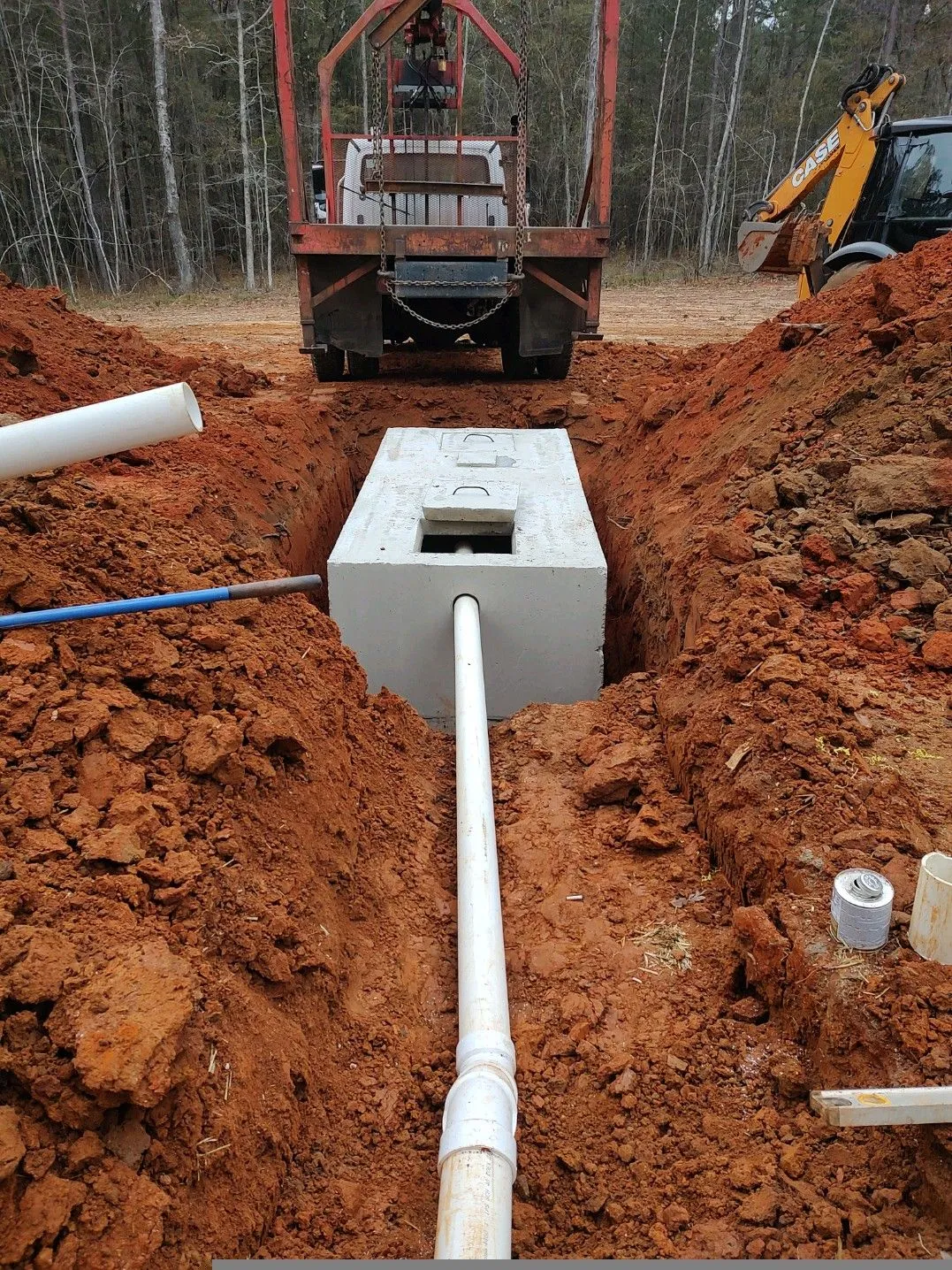
Firstly, understanding the operations of your septic system is fundamental to its protection. Typically, a septic system consists of a tank and a drain field. Wastewater from your home flows into the tank, where solids settle to the bottom, and the resultant liquid effluent circulates through to the drain field for natural filtration. Regular maintenance is necessary to prevent buildups and system failures.
Regular inspection and pumping form the cornerstone of septic system maintenance. Ideally, your septic system should be inspected at least every three years by a professional like South Georgia Septic, and pumped every three to five years depending on the size of your tank and household. This routine prevents overflow, which can cause unpleasant smells, backflow, and potentially costly repairs.
Equally important is water conservation. Excessive water usage can burden your septic system, leading to overloading and eventual failure. Consider investing in high-efficiency toilets, showerheads, and faucets to reduce water usage. Simple practices, such as spreading out laundry loads throughout the week, can significantly ease the strain on your system. Not only will these measures protect your septic system, but they will also reduce water bills, making them a smart financial choice.
Proper waste disposal cannot be overstated in maintaining a healthy septic system. Avoid flushing non-biodegradable items such as wipes, feminine hygiene products, and diapers down the toilet. Even certain kitchen wastes and chemicals, including fats, oils, and harsh cleaners, should never enter your septic system. These can lead to clogs and upset the bacterial balance essential for breaking down waste within your tank.
Landscaping plays a surprisingly significant role in septic system protection. Trees and shrubs can cause root intrusion in your septic system, leading to blockages and damage. Maintain a safe distance between your septic components and vegetation. Instead, consider planting grass or shallow-rooted plants over or near your septic field, as they are less invasive and can prevent erosion, safeguarding your system further.
Educating everyone in your household about septic system care is vital. Ensure that all members understand what can and cannot be flushed or drained, and encourage water-saving practices. This collective approach will ensure that your family contributes positively to your septic system’s longevity.
Finally, know when to call in the experts. While some aspects of septic system maintenance can be handled personally, certain tasks require professional insight. Companies like South Georgia Septic can provide expert evaluations and repairs to keep your system running efficiently.
In conclusion, protecting your septic system requires ongoing commitment and awareness. By implementing regular maintenance, conserving water, disposing of waste responsibly, and choosing suitable landscaping, landowners in South Georgia can ensure their septic systems remain reliable. With these practices in place, you'll enjoy a trouble-free home environment and potentially avoid costly repairs. Take the first step today by getting your system evaluated, ensuring peace of mind for years to come.
/filters:no_upscale()/filters:format(webp)/media/9ea110d9-8e86-4c63-8848-b19e6ea2c83a.jpg)