How to Choose the Best Septic System for Your South Georgia Property Jan 01, 2026
Septic systems are essential for managing wastewater. They treat sewage on-site and require no connection to city sewage lines. Before selecting a system, it is vital to consider the size of your property, the number of occupants, and soil conditions. South Georgia has a unique climate and soil composition, which makes it essential to choose a septic system that is efficient and environmentally friendly.
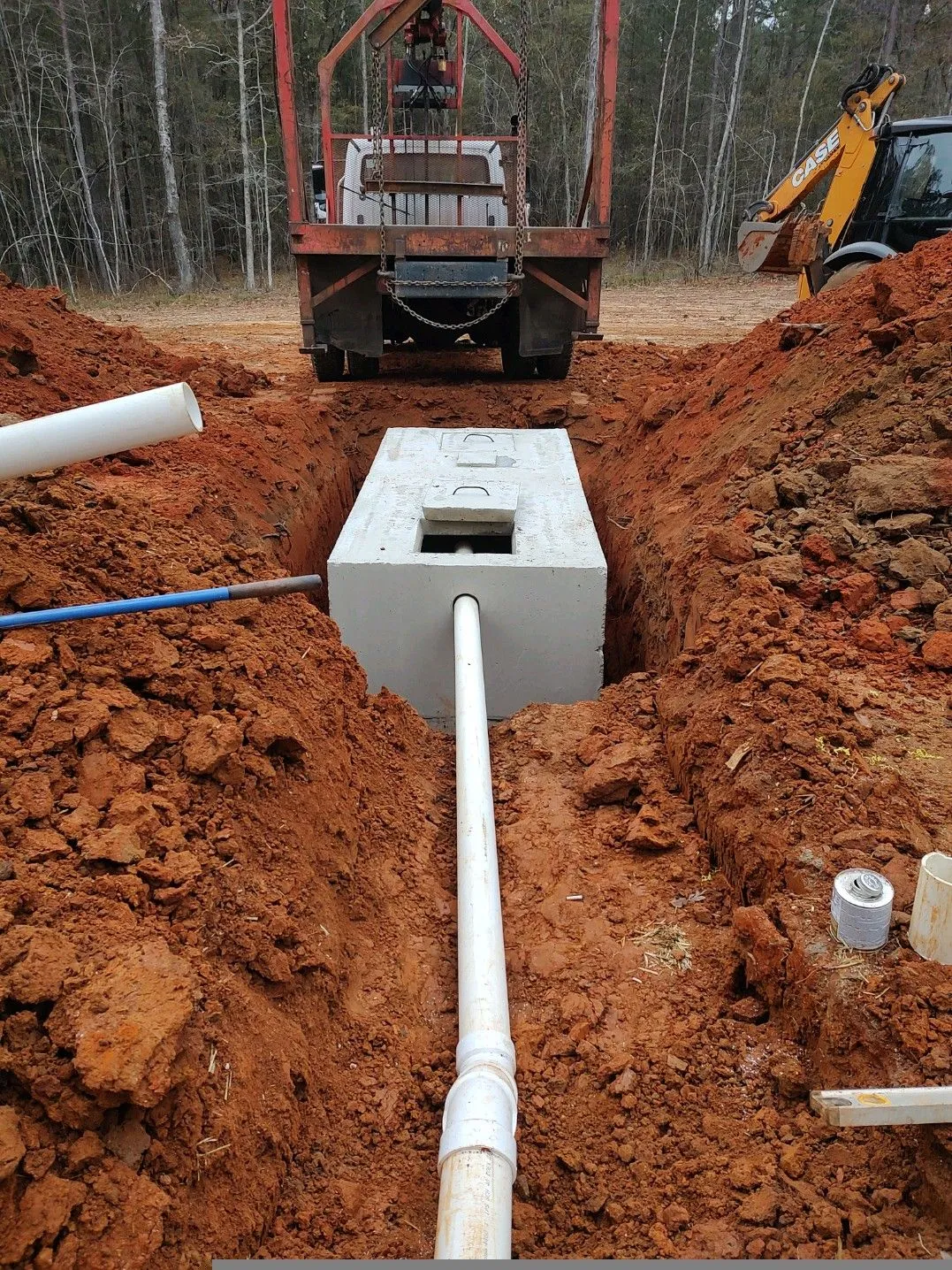
Conventional septic systems are the most common choice. These systems consist of a septic tank and a drain field where the wastewater is filtered naturally through the soil. This type is suitable for properties with adequate space and well-draining soil conditions. However, if your property is on rocky or clay-heavy soil, an alternative system may be required.
An aerobic treatment unit (ATU) might be the right fit if you require more efficient waste processing. Unlike conventional systems, ATUs use oxygen to catalyze the breakdown of organic matter, making them effective for properties with challenging soil conditions. Though these systems can be more costly upfront and may require more maintenance, they offer a higher level of treatment, making them ideal for environmentally sensitive areas.
For smaller lots or properties with minimal leaching areas, mound or sand filter systems could be beneficial. These systems elevate the drain field above ground level, providing more surface area for effective absorption. Mound systems are an excellent solution for properties with shallow soil depths or high water tables, both of which are considerations for some areas in South Georgia.
The installation and maintenance cost should also influence your decision. Conventional systems typically involve lower upfront costs, while alternative systems may have higher initial expenses and ongoing maintenance needs. However, the long-term efficiency and environmental impact of these systems often justify the investment. Partnering with a reputable septic services provider like South Georgia Septic ensures that you are getting a system that fits your property’s unique requirements, as well as top-notch maintenance services.
Regulations and permits are another essential factor. South Georgia requires specific permits related to the installation and operation of septic systems. Compliance with local regulations not only ensures the legal operation of your system but also prevents potential fines and increases the longevity of the system.
Ultimately, choosing the best septic system for your South Georgia property involves assessing site conditions, understanding system types, and considering costs and legal factors. Consulting with experts like South Georgia Septic will help you navigate these complexities and select a system that is both affordable and efficient.
As you make this pivotal choice, remember that a well-chosen septic system not only handles household waste effectively but also contributes to the health of your surrounding environment. Whether you're building a new home or upgrading an existing septic system, taking the time to select the right option will provide peace of mind and ensure the smooth operation of your property for years to come.
/filters:no_upscale()/filters:format(webp)/media/9ea110d9-8e86-4c63-8848-b19e6ea2c83a.jpg)