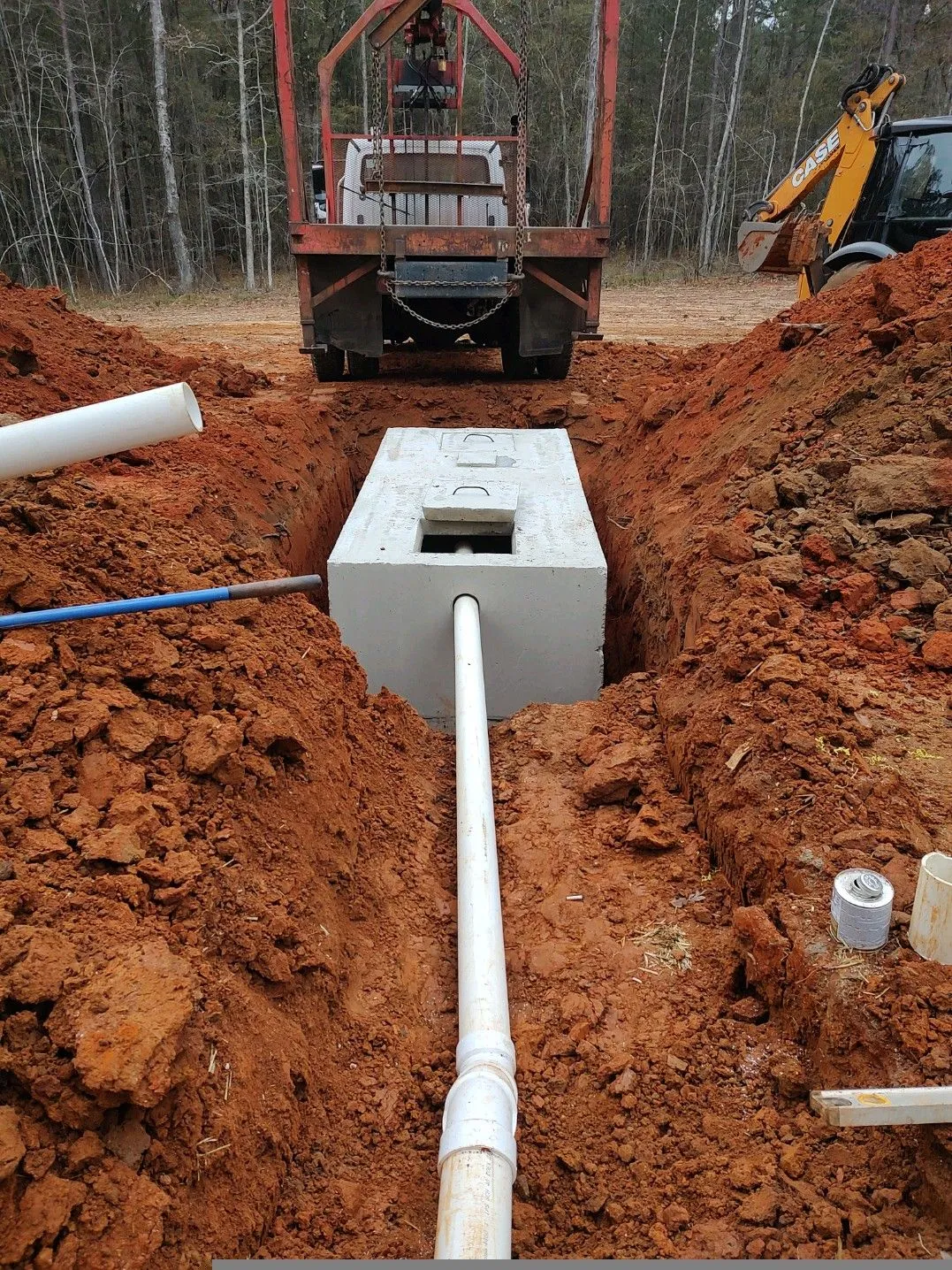
How Soil Composition Affects Your Septic System: Insights for South Georgia Residents Jun 17, 2026
Let's start by examining why soil composition matters so much when it comes to septic systems. A septic system relies on the surrounding soil to provide a natural filtration process that treats wastewater before it percolates back into the groundwater. The soil must be able to effectively absorb and filter this water. If the soil is too dense or too loose, it can lead to a host of problems, from drainage issues to contamination of drinking water sources.
In South Georgia, the soil is predominantly composed of sandy and clay materials. Sandy soils, common in the coastal plains, offer excellent drainage. However, their high permeability may fail to filter out harmful bacteria effectively, potentially leading to groundwater contamination. On the other hand, clay soils, while better at filtering, have poor drainage capabilities, posing risks of system backing up due to slowed water movement. Knowing whether your property sits on sand, clay, or a combination is the first step in ensuring your septic system operates efficiently.
Testing your soil's composition can provide you with a better understanding of its drainage capability and porosity. You can perform a simple jar test at home or hire a professional to analyze the soil structure. Knowing the soil type will inform whether any modifications are needed, such as adding or removing material to optimize the filtration process. This customization helps in preventing potential septic system failures and extends its lifespan.
Homeowners should also consider the depth of the soil atop the septic system. A deeper layer of soil is often required in areas with sandy or clay soils to enhance natural filtration before the wastewater reaches groundwater. Maintaining a healthy vegetative cover over the septic field can further aid in this natural filtration process while preventing soil erosion.
Additionally, regular maintenance and inspection by professionals like South Georgia Septic are essential. Expert inspections can identify early signs of system inefficiency or impending failure due to unsuitable soil conditions. Regular pumping and examination of your septic system ensure that it remains in top working order, addressing issues before they escalate into costly repairs.
For South Georgia residents, understanding the interplay between soil composition and septic system health can prevent many headaches down the line. Proactive measures such as soil testing, regular maintenance, and proper system installation can address and mitigate potential soil-based issues.
In conclusion, the composition of your soil plays a pivotal role in the effectiveness of your septic system. By investing time in understanding the type of soil on your property and committing to regular maintenance with professionals like South Georgia Septic, you can ensure a reliable and trouble-free septic system. Implementing these insights will not only safeguard your property but also contribute to the broader environmental health of the South Georgia area.
/filters:no_upscale()/filters:format(webp)/media/9ea110d9-8e86-4c63-8848-b19e6ea2c83a.jpg)