Avoiding Septic Disasters: Proactive Strategies for South Georgia Families Dec 03, 2025
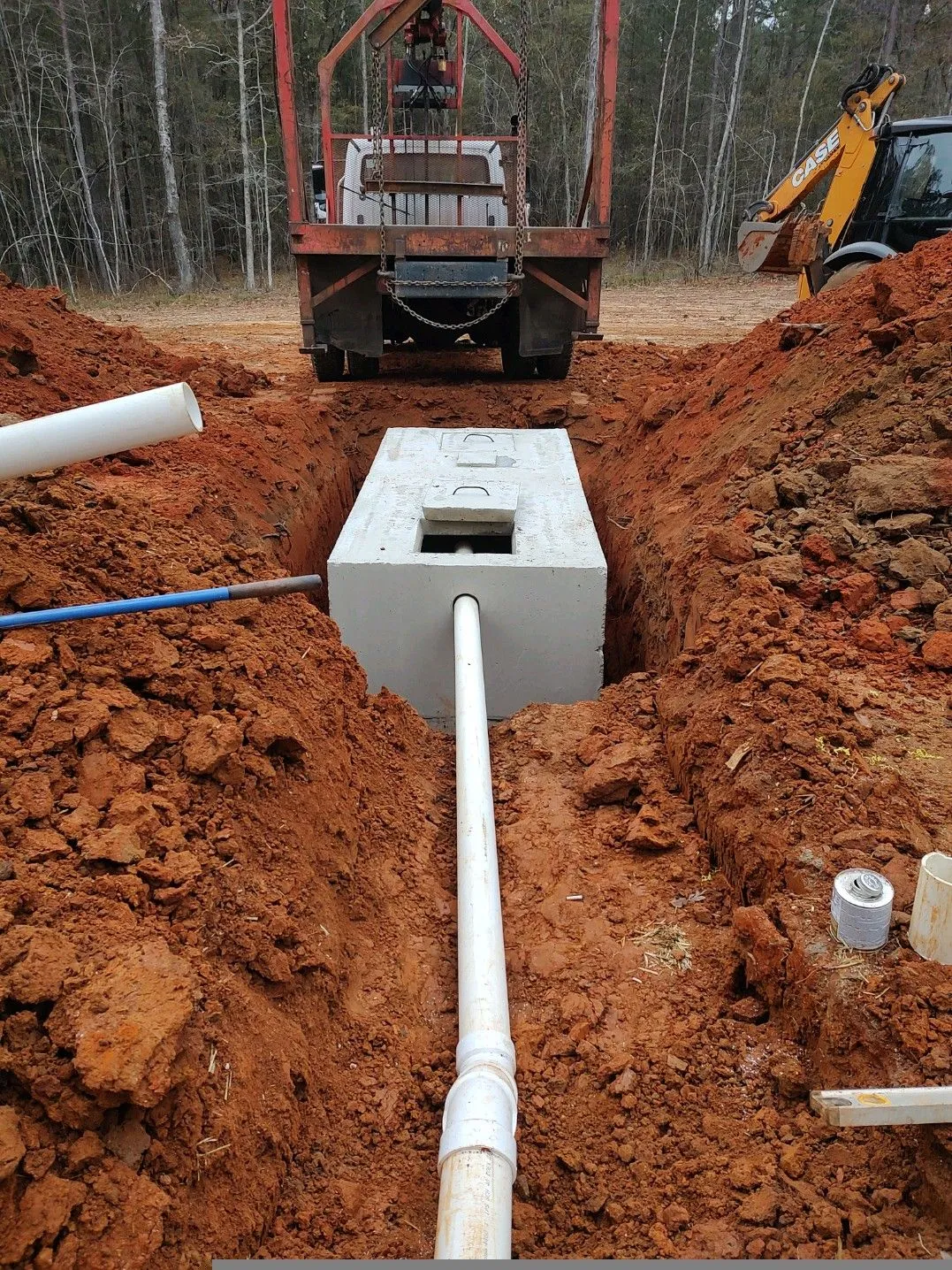
The first step to avoiding septic problems is understanding the basics of how your system works. A septic system typically includes a septic tank and a drain field or soil absorption system. Wastewater flows from your home into the septic tank, where solids settle to the bottom, and oils and grease float to the top. The relatively clear water then flows out to the drain field. Over time, solids build up in the tank and must be pumped out regularly to prevent overflow and damage.
One of the most effective strategies to maintain your septic system is routine inspections and pumping. Experts, like South Georgia Septic, recommend having your system inspected every three to five years and pumped as necessary. This proactive maintenance can prevent constipation problems that lead to unpleasant back-ups and potentially costly repairs. Regular inspections can also identify any small issues before they become major problems.
Mindful water use is another essential strategy for septic maintenance. Systems are designed to process a certain amount of water at a time. Excessive water use can lead to system overload, reducing the effectiveness of the system, and increasing the risk of failure. Simple changes such as using water-saving toilets and showerheads, repairing leaks promptly, and spreading laundry loads throughout the week can make a big difference.
Another key factor in maintaining your septic system is what you put down the drain. Avoid flushing items that do not naturally decompose in a septic tank such as hygiene products, diapers, and wipes. Even items marketed as "flushable" can cause harm. Additionally, limit the use of chemical cleaning products, as these can disrupt the natural bacterial balance in the septic tank necessary for breaking down waste.
Vegetation around your septic system should also be managed carefully. Trees and shrubs can pose a threat to your system with roots that can penetrate tanks or pipes. Grass and shallow-rooted plants are typically safe, but trees should be planted at a considerable distance from the system to avoid any complications.
Properly diverting water away from the drain field ensures that your septic system functions optimally. Ensure your gutters and landscaping direct excess rainwater away from the drain field to prevent waterlogging, which can hinder the natural treatment of wastewater and lead to flood-like conditions in your yard.
Educating your household about how to care for your septic system is key. The whole family should be aware of what can and cannot go down the drain and the importance of water conservation. This collective effort will significantly reduce the likelihood of septic issues.
In conclusion, avoiding septic disasters involves understanding your system, regular maintenance, conservative water usage, careful waste disposal, and landscape management. By adopting these proactive strategies, South Georgia families can ensure their septic systems operate efficiently, ultimately safeguarding their home investments and protecting the environment. For more detailed advice and professional service, don’t hesitate to reach out to South Georgia Septic, your local experts in septic care and maintenance.
/filters:no_upscale()/filters:format(webp)/media/9ea110d9-8e86-4c63-8848-b19e6ea2c83a.jpg)